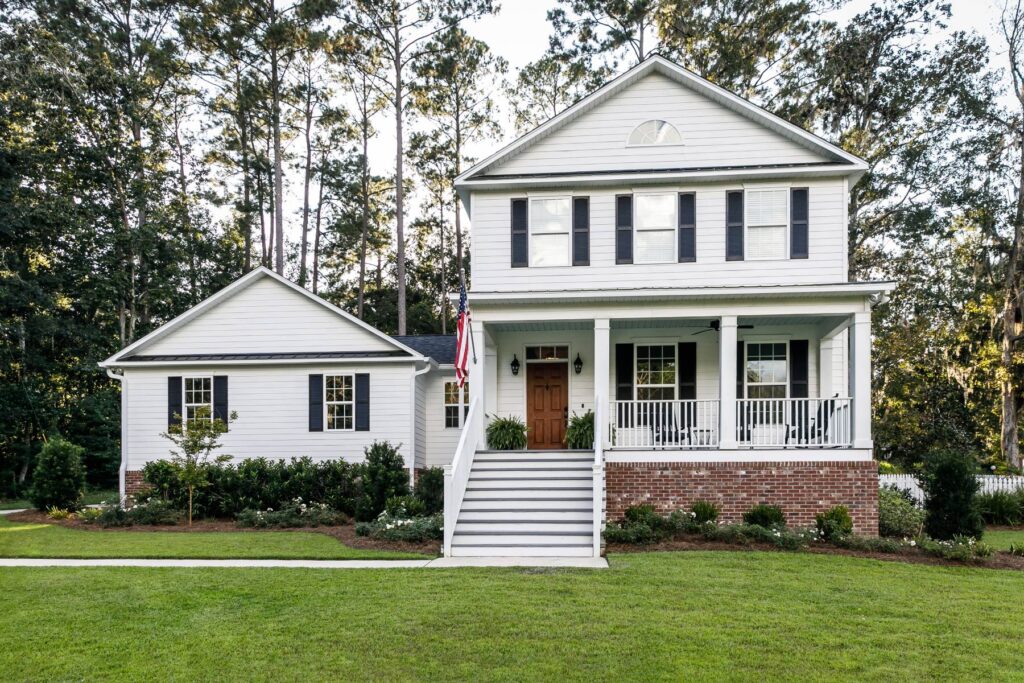
Walk through enough older homes in Springhill, Minden, or Shreveport, and a pattern starts to emerge. A slightly uneven floor here, a stubborn door there, a hairline crack running along an interior wall that the current owner insists has “always been like that.” None of these things happen by accident. They are almost always connected to the ground the house is sitting on, and in this part of Louisiana, that ground has a well-earned reputation for causing exactly this kind of trouble. A thorough foundation inspection is what separates cosmetic wear from something that actually needs attention.
The Clay Soil Problem, Explained Simply
Much of northwest Louisiana sits on heavy clay soil, and clay behaves very differently than sand or loam when moisture levels change. According to LSU AgCenter, this clay expands significantly when saturated with water and contracts just as noticeably during dry spells, and that constant expansion and contraction puts real, ongoing pressure on whatever foundation happens to be sitting on top of it. Unlike a one-time settling event, this is a cycle that repeats every year as rainfall patterns shift between wet and dry seasons, which is exactly why a foundation inspection is not a one-and-done concern for homes in this region.
Why Older Homes Show It More
Older homes in this area were often built before modern foundation engineering accounted for expansive clay behavior the way current construction standards do. Piers, footings, and slab designs from decades past simply were not always built with the same margin for soil movement that newer homes incorporate, which means an older home’s foundation has had more years, and more wet-dry cycles, to reveal whatever weaknesses existed from the start. A foundation inspection on one of these properties is looking for a specific pattern, cracks that run diagonally from door and window corners, uneven floors that slope in a consistent direction, doors and windows that have started sticking or no longer close flush, and gaps opening up where interior walls meet ceilings or floors.
What a Foundation Inspection Actually Involves
A proper foundation inspection goes well beyond a glance at visible cracks. It involves checking for consistent patterns of movement rather than isolated cosmetic issues, evaluating drainage and grading around the exterior to understand whether water is being directed away from the foundation or pooling against it, and assessing crawl spaces or piers directly wherever access allows. Drainage in particular deserves close attention in this region, since poor grading that lets water collect near a foundation dramatically accelerates the expansion and contraction cycle that clay soil already puts a home through naturally.
What Homeowners Can Do Between Inspections
A foundation inspection is not something that only matters once, at the time of purchase. Homeowners living in this region benefit from paying attention to a few simple things year round. Gutters and downspouts should direct water well away from the foundation rather than letting it discharge right against the exterior wall. Grading should slope away from the home consistently, and any low spots that collect standing water near the foundation deserve attention before they become a bigger problem. Consistent watering during dry spells, particularly near a slab foundation, can also help minimize the dramatic contraction that happens when clay soil dries out too quickly and unevenly around a structure.
None of this eliminates the underlying reality of building on expansive clay, but it does reduce the severity of the cycle a foundation goes through each year. Combined with periodic professional evaluation, these habits meaningfully extend the life of a foundation and reduce the chances of a small issue turning into an expensive one.
Frequently Asked Questions
Does every home in northwest Louisiana have foundation problems? No, but the region’s clay soil makes foundation movement more common here than in areas with more stable soil types, which is why a foundation inspection is particularly worthwhile for buyers considering an older property.
What’s the difference between normal settling and a real foundation problem? Minor, isolated hairline cracks are often just cosmetic, while diagonal cracking, consistent floor slope, or multiple doors and windows sticking at once typically point to an active pattern worth professional evaluation.
Can drainage really affect a home’s foundation that much? Yes. Poor grading that allows water to pool near a foundation significantly worsens the expansion and contraction clay soil already causes, making drainage one of the most important factors in long-term foundation health.
Should I get a foundation inspection even if I don’t see any visible cracks? It’s still worth considering for older homes in this region, since some early-stage movement shows up first as sticking doors or subtle floor changes rather than obvious cracking.
CTL Consulting, LLC proudly serves Springhill, Shreveport, Bossier City, Benton, Minden, Homer, Arcadia, and surrounding areas. Schedule your foundation inspection today.