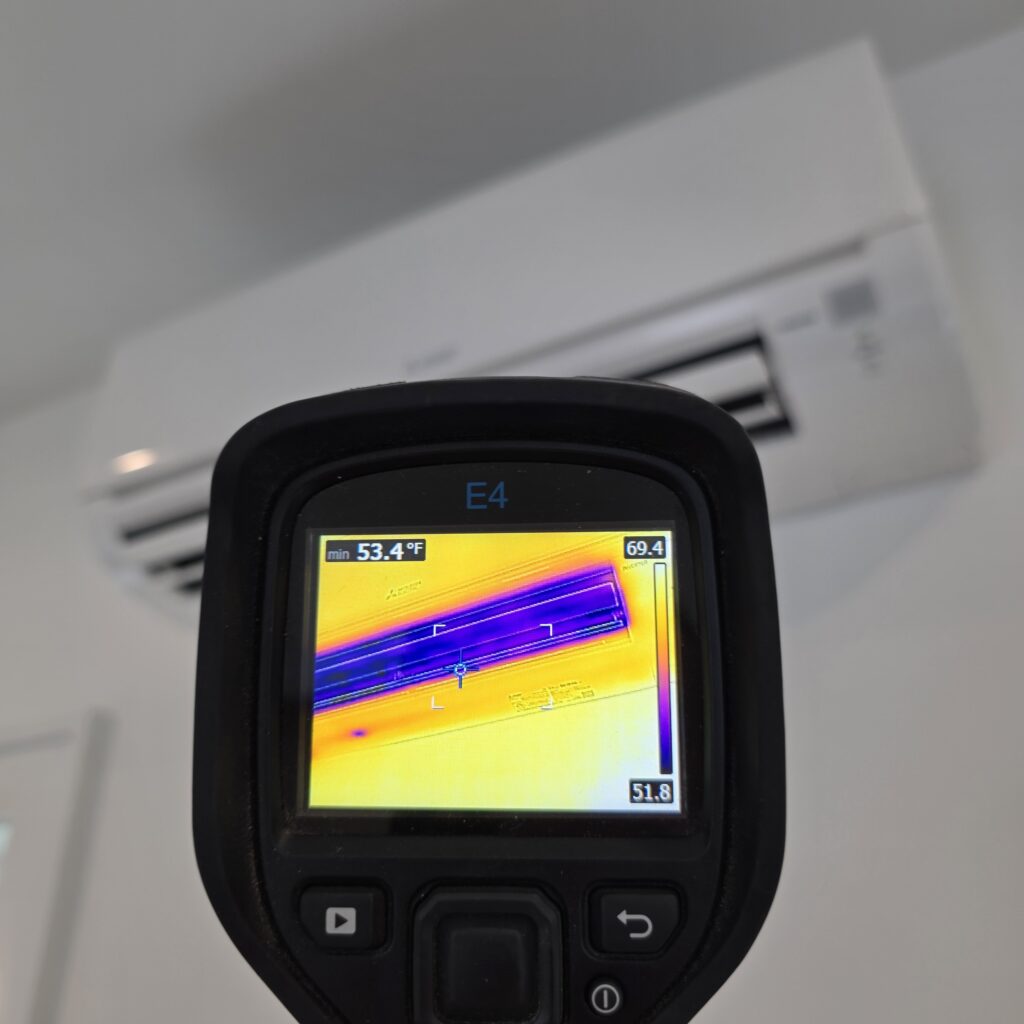
Most homeowners assume that if a problem is serious enough, someone will eventually see it. But some of the most expensive issues a house can have are invisible to the naked eye. A thermal imaging inspection changes that equation by detecting temperature differences inside walls, ceilings, and floors that point to hidden moisture, failing insulation, electrical problems, and more. If you own a home in northwest Louisiana and you have never had a thermal imaging inspection done, there is a good chance you do not have the full picture of what is going on inside your walls.
How Thermal Imaging Actually Works
Thermal imaging uses an infrared camera to capture heat signatures across surfaces. Every material in your home absorbs and releases heat at a different rate, and when something is wrong, those patterns shift in ways that are clearly visible through the lens of an infrared camera. Wet insulation behind drywall holds heat differently than dry insulation. An overloaded electrical circuit generates heat long before it causes a visible problem. A gap in your air barrier shows up as a temperature gradient that is unmistakable on a thermal scan.
None of that shows up during a standard visual inspection, no matter how experienced the inspector. The thermal imaging inspection does not replace the standard inspection. It adds a layer of visibility that the standard inspection cannot provide.
Hidden Moisture Is the Issue That Matters Most in Northwest Louisiana
Louisiana’s climate is demanding for residential construction. The combination of heat, humidity, and heavy seasonal rainfall means that moisture finds its way into homes in this region more aggressively than in drier climates. What makes that particularly expensive is that moisture damage usually progresses silently for months or years before it becomes visible.
A thermal imaging inspection can detect active moisture intrusion behind walls or above ceilings by picking up the temperature differences that wet materials create. It can identify plumbing leaks that have not yet caused visible staining. In crawl spaces and attics, thermal imaging can reveal moisture patterns that point to ventilation failures or envelope breaches that would otherwise go unnoticed until structural damage is already underway.
For homeowners in Springhill, Bossier City, Minden, and the surrounding northwest Louisiana communities, this is not a theoretical concern. It is a consistent finding in this climate, and catching it early is significantly less expensive than discovering it after it has had time to cause real damage.
Electrical Issues and Energy Efficiency
Moisture is the dominant concern, but a thermal imaging inspection covers considerably more ground. Electrical hot spots are one of the most important findings. Overloaded circuits, failing connections, and panels drawing more current than they should all generate heat that shows up clearly on an infrared scan. These are conditions that can exist for a long time without tripping a breaker, and they represent a genuine fire risk that most homeowners would want to know about.
On the energy side, a thermal imaging inspection can show exactly where a home is losing conditioned air. Gaps around windows and doors, inadequate insulation in wall cavities, and duct leaks all produce thermal signatures that translate directly into higher utility bills. In a climate where HVAC systems run hard for much of the year, those inefficiencies add up in ways that make the cost of a thermal imaging inspection look very modest by comparison.
When a Thermal Imaging Inspection Makes the Most Sense
Any time you have reason to suspect hidden moisture, a thermal imaging inspection is the right call. That includes buying a home with any history of water damage, noticing unexplained mold odors, or dealing with a utility bill that does not match what you would expect for your home’s size. It is also a smart add-on during a standard home inspection, since the combination gives you a much more complete picture of the property’s actual condition.
Existing homeowners who have never had a thermal imaging inspection done can benefit from a standalone scan at any point. Homes in northwest Louisiana deal with conditions that make hidden moisture and insulation failures common, and there is value in knowing what is actually happening inside the building envelope rather than assuming things are fine because nothing is visible yet.
Exploring Springhill and Northwest Louisiana
One of the best parts about living in the Springhill area is how much the surrounding region has to offer. Caney Lakes Recreation Area, managed by the US Forest Service in the Kisatchie National Forest, is a short drive from Springhill and draws visitors from across the region for fishing, swimming, hiking, and camping. Caney Lakes is a genuinely beautiful part of northwest Louisiana and one of the clearest reminders of why this area is worth protecting and maintaining well. The homes here deserve the same level of attention that the natural surroundings inspire, and a thorough inspection is one of the most practical ways to take care of what you have built.
Frequently Asked Questions About Thermal Imaging Inspections
Does thermal imaging work on every type of home?
Yes. Thermal imaging is useful across all residential construction types, from pier-and-beam homes to slab foundations, older wood-frame construction to newer builds. The specific findings will vary based on the age and construction of the home, but the technology is applicable regardless of how the home was built.
Can thermal imaging see through walls?
No, and it is important to understand that distinction. Thermal imaging does not see through walls. It detects temperature differences on surfaces that indicate something is different on the other side. Wet insulation shows up because it holds heat differently. A hidden electrical problem shows up because the circuit is generating heat that transfers to the surface. The camera reads temperature gradients, not the physical contents of a wall cavity.
Is a thermal imaging inspection only for buyers?
Not at all. Current homeowners have just as much to gain from a thermal imaging inspection as buyers do. If you have lived in your home for several years and have never had one done, you may have moisture, insulation, or electrical conditions that have developed over time that are worth knowing about before they progress further.
How long does a thermal imaging inspection take?
The time depends on the size and complexity of the home, but thermal imaging is typically conducted as part of a broader inspection rather than as a standalone hour-long appointment. Your inspector can give you a more specific estimate based on the size of your home.
What happens after hidden moisture is found during a thermal imaging inspection?
Finding moisture on a thermal scan is the starting point, not the endpoint. Your inspector will document the location and extent of the suspected moisture intrusion and recommend follow-up steps, which may include moisture meter readings to confirm the finding and guidance on what kind of remediation or repair professional to consult.
CTL Consulting LLC is proud to serve Springhill, Shreveport, Bossier City, Benton, Minden, Homer, Arcadia, and surrounding areas throughout northwest Louisiana. Ready to get a clear look at what is happening inside your home? Schedule your inspection today and let CTL Consulting give you the complete picture.