There is a version of the homebuying experience that feels like the safest possible choice: buying brand new. Fresh framing, new mechanical systems, a clean inspection history, and a builder warranty that promises to make things right if anything goes wrong. It is a compelling picture, and it is also an incomplete one. New construction homes are inspected during the build by municipal or parish inspectors, but those inspections are brief, specific in scope, and conducted at a pace that reflects the volume of projects those inspectors are responsible for. A new construction inspection by an independent professional is an entirely different level of scrutiny, and the findings that come out of it regularly surprise buyers who assumed that new meant perfect.
What a New Construction Inspection Covers
A new construction inspection is a comprehensive independent evaluation of a newly built home conducted before the buyer’s final walkthrough and closing. The inspector examines the structural components, roofing, attic, insulation, foundation, exterior grading and drainage, electrical system, plumbing, HVAC, windows, doors, and all visible interior finishes to identify anything that was installed incorrectly, does not meet code, or represents a workmanship concern that could affect the home’s performance or the buyer’s costs over time.
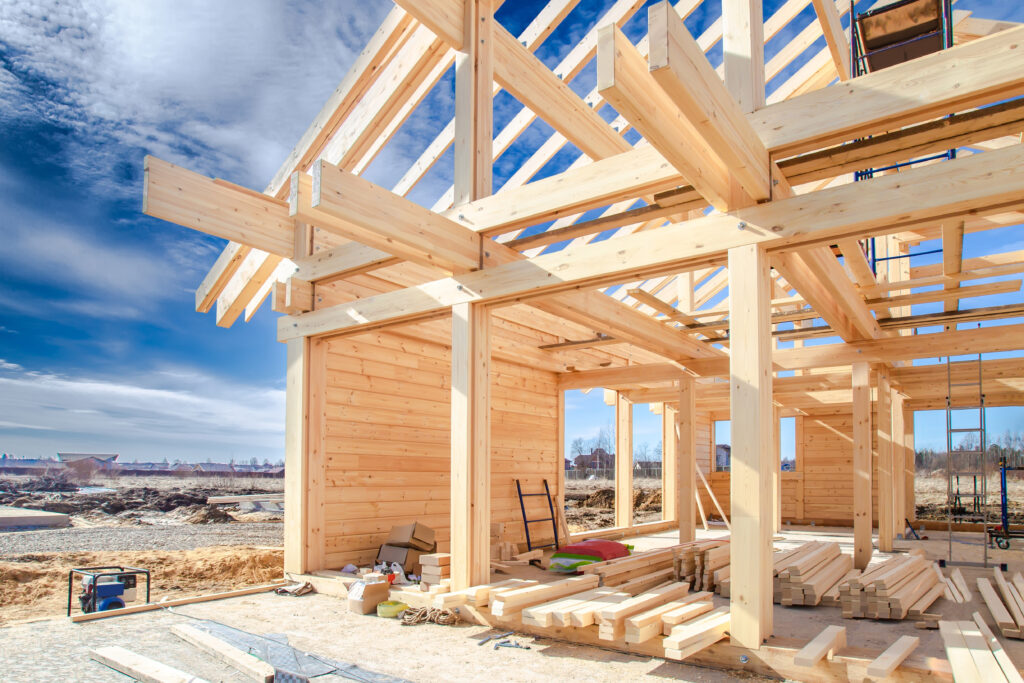
CTL Consulting LLC also offers pre-drywall inspections as part of the new construction evaluation process. This earlier-stage inspection happens after framing, plumbing, and electrical rough-in are complete but before the walls are closed, giving the inspector access to the structural and mechanical systems in a way that is no longer possible after drywall installation. Catching a framing error, an improperly run plumbing line, or an electrical installation concern before the walls close is dramatically easier and less expensive than addressing the same issues after the home is finished.
Why Municipal Inspections Are Not Enough
The building inspection process in Louisiana involves code compliance checks at specific stages of construction, conducted by inspectors who are responsible for reviewing multiple projects across their jurisdiction simultaneously. Those inspections verify minimum code compliance at the point of inspection. They are not designed to be comprehensive evaluations of workmanship quality, long-term performance, or the full range of conditions that affect a buyer’s investment.
The pace at which residential construction has moved in northwest Louisiana over recent years means that builders and their subcontractors are working across multiple active job sites, and the attention given to any single home at any given moment reflects that reality. Items get missed. Installations get rushed. Details that a thorough third-party inspector would flag as substandard pass through the municipal inspection process without comment because the code inspector is moving quickly and the condition falls into a gray area between clear violation and clear compliance.
A new construction inspection by CTL Consulting, backed by 35 years of construction experience, evaluates the property the way someone who has built homes from the ground up evaluates it: with knowledge of where errors commonly occur, what proper installation looks like across every system and trade, and what the difference is between a condition that will cause problems in the first year versus one that will last the life of the home.
What New Construction Inspections Actually Find in Louisiana
The list of findings that regularly surface in new construction inspections in Louisiana reflects both the demands of the local climate and the realities of the construction process. Improper attic ventilation is among the most common, and in Louisiana’s heat, an under-ventilated attic dramatically accelerates shingle aging, increases cooling loads, and creates conditions that promote moisture accumulation. Getting this corrected before the home is occupied is far simpler than addressing it after the fact.
HVAC installation issues appear regularly in new construction evaluations. Systems that were not properly balanced, duct connections that were not fully sealed, and equipment that was sized or installed incorrectly are all conditions that affect performance and efficiency from day one. In a climate where the air conditioning system may run eight to nine months of the year, the cumulative cost of an improperly installed HVAC system is not trivial.
Grading and drainage concerns are another consistent new construction finding in Louisiana. Improper grading that directs surface water toward the foundation rather than away from it creates moisture conditions in the crawl space or at the slab perimeter that compound over time. New buyers who address these conditions before occupancy spend a fraction of what they would spend addressing the downstream damage if the condition is left to develop unchecked.
Electrical findings, framing concerns, plumbing installation issues, and incomplete or improperly installed insulation are all conditions that appear in new construction inspections with enough regularity to make the evaluation clearly worthwhile for any buyer regardless of builder reputation or construction quality claims.
The Builder Warranty and What It Actually Protects
Most new homes in Louisiana come with a one-year builder warranty that covers defects identified during the first year of occupancy. The warranty sounds comprehensive, but its practical value depends on whether defects are identified while the warranty is active and documented in a way that obligates the builder to respond.
A new construction inspection before closing establishes the documented baseline that makes warranty claims enforceable. Conditions that were present at the time of closing but that do not produce obvious symptoms until months later are far easier to attribute to construction defects when a professional inspection report documented the underlying condition at the time of purchase.
The 11-month warranty inspection, a follow-up evaluation conducted near the end of the builder warranty period, gives homeowners a professional assessment of what has developed over the first year of occupancy and a documented list of items to bring to the builder before the warranty expires. CTL Consulting offers both the pre-closing new construction inspection and the 11-month follow-up, giving buyers a complete inspection framework that protects their investment through the entire warranty period.
How CTL Consulting Approaches New Construction
CTL Consulting’s 35 years of construction experience is the most directly relevant background an inspector can bring to a new construction evaluation. Understanding what proper installation looks like across framing, roofing, mechanical systems, and exterior construction is not knowledge that comes from inspection training alone. It comes from decades of hands-on construction work that produces a frame of reference no credential can substitute for.
Every new construction inspection by CTL Consulting is conducted with the same non-invasive, comprehensive approach that defines every evaluation the company delivers. The report is detailed, clearly written, supported by photos, and delivered promptly so buyers have the information they need to raise concerns with the builder before the final walkthrough.
Frequently Asked Questions About New Construction Inspections
Can the builder refuse to allow an independent inspection before closing?
In most cases, no. The right to an independent inspection is a standard component of the homebuying process and is typically addressed in the purchase contract. A builder who discourages or resists an independent third-party inspection is sending a signal worth paying close attention to. Reputable builders have no reason to object to a professional evaluation of their work.
What is a pre-drywall inspection and when does it happen?
A pre-drywall inspection occurs after framing, plumbing rough-in, and electrical rough-in are complete but before insulation and drywall are installed. It gives the inspector access to the structural and mechanical components of the home in a way that is no longer possible after the walls are closed. It is one of the most valuable inspections available in the new construction process because corrections at this stage are far less disruptive and expensive than corrections to finished surfaces.
How does a new construction inspection differ from the final builder walkthrough?
The builder walkthrough is an orientation to the home conducted by the builder’s representative. It is not an independent inspection. The builder’s representative works for the builder, not the buyer, and the walkthrough is focused on demonstrating features and noting cosmetic punch-list items rather than evaluating the quality and completeness of the construction. An independent new construction inspection is conducted by a professional with no relationship to the builder and with the buyer’s interests as the sole priority.
What if the builder says everything passed code?
Code compliance is the minimum standard, not the quality standard. A home can pass every required code inspection and still have workmanship issues, installation concerns, and conditions that affect performance and longevity without violating any specific code provision. An independent new construction inspection evaluates beyond code compliance to assess the overall quality and completeness of the work.
Is a new construction inspection worth it on a production home from a large national builder?
Yes, and the volume and pace of production building makes it arguably more important than on a custom build with closer oversight. Large production builders work at scale, and the consistency of workmanship across hundreds of homes built simultaneously varies. Independent inspections of production homes regularly find conditions that the builder’s own quality control process did not catch.
CTL Consulting LLC proudly serves Springhill, Shreveport, Bossier City, Benton, Minden, Homer, Arcadia, and surrounding areas. Ready to schedule your new construction inspection? Call or text 318-578-4639 or email ctlinspecting@gmail.com today.